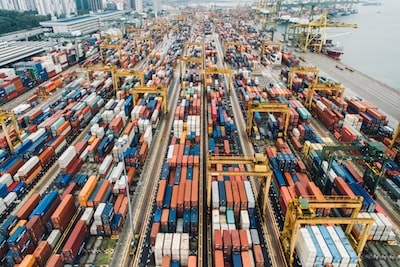
Port of Nagoya - Japan's largest port operations crippled by ransomware attack
Take action: If you thought that ransomware is just something that deletes your photos think again. Due to ransomware, If you are waiting for a delivery of a new Toyota car, you'll wait a while longer.
Learn More
The Port of Nagoya, Japan's largest and busiest port accounting for approximately 10% of the country's total trade volume, has experienced a ransomware attack that has disrupted the operation of its container terminals.
The port, which handles over two million containers and 165 million tons of cargo annually, is crucial for the export of vehicles by Toyota Motor Corporation.
Update - Toyota Motor plans to suspend operations at a packaging line for export-bound components on Friday since the delays caused by incident at the Port of Nagoya have stalled work for more than two days.
The attack targeted the "Nagoya Port Unified Terminal System" (NUTS), the central system that controls all container terminals in the port.
The ransomware attack occurred on July 4, 2023, and the port authority is working to restore the system and resume operations.
According to the Nagoya Harbor Transportation Association, one cargo terminal resumed operations on 6 July afternoon, with others scheduled to restart later in the day.
The infamous Russian-linked ransomware gang LockBit has claimed responsibility for an attack on a Japanese port that has temporarily crippled operations.
As a result of the attack, container loading and unloading operations have been canceled, leading to significant financial losses for the port and major disruptions in the flow of goods to and from Japan.
Although the Nagoya Port Authority has previously faced cyberattacks, this incident is reported to have the most significant impact. The identity of the threat actor behind the ransomware attack remains unknown at this time.